

Short answer
A building annual maintenance contract should list every system and asset it covers, the preventive maintenance schedule for each, response times by priority, what is included for spare parts and consumables, how work is reported, and how the contract starts and ends. Agreeing these points before signing prevents most disputes and surprise costs.
Start with scope: systems and assets
Vague scope is the main cause of maintenance contract disputes. “All electromechanical systems” means different things to the owner and the contractor, so list the systems first, then the assets inside each one.
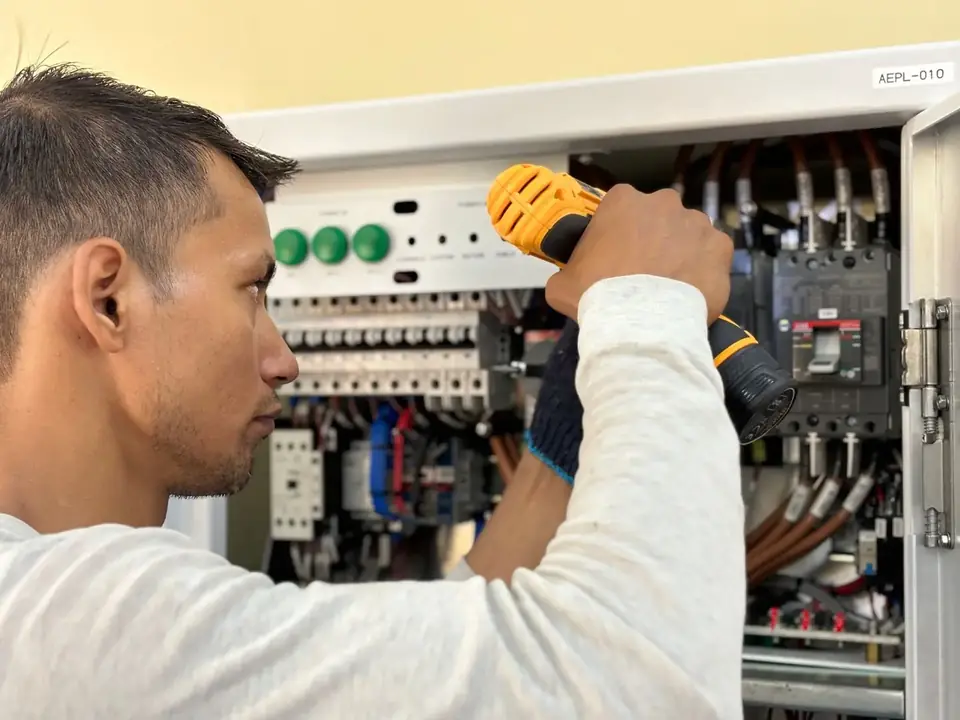
- Electrical: main power station, MV cells, transformers, main and sub-main panels, generators and ATS, UPS, earthing and lightning protection.
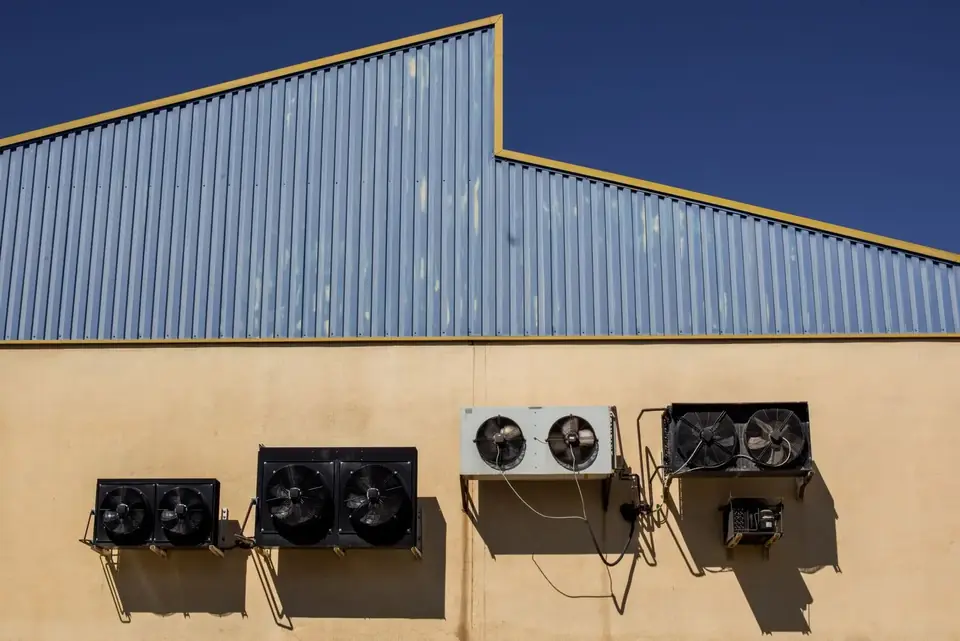
- HVAC: chillers or VRV/VRF systems, AHUs, FCUs, pumps, cooling towers and ventilation fans.
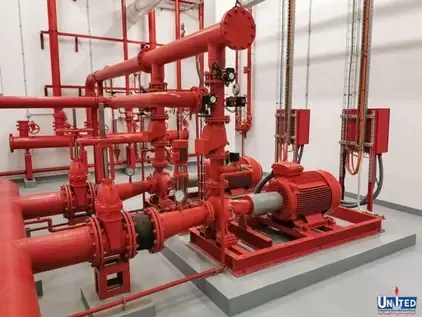
- Fire: fire pumps, sprinklers, hydrants, fire alarm panels and detectors, voice evacuation and gas suppression.
- Light current: CCTV, access control, public address, BMS and intercom.
- IT and communications: server room, switches, storage, UPS, server-room cooling and PBX.
Attach an asset register to the contract with the location, make, model, capacity and condition of each item. If no register exists, make building one the contractor’s first deliverable.
Choose the right contract type
| What is covered | Comprehensive | Preventive | On-call |
|---|---|---|---|
| Scheduled preventive visits | Included | Included | Not included |
| Inspection, testing and reports | Included | Included | Per call-out |
| Corrective and emergency call-outs | Included | Quoted on request | Charged per call-out |
| Spare parts | Included, within agreed limits | Quoted on request | Quoted on request |
| Best for | Critical buildings that want a fixed annual budget | Owners with an in-house repair team | Non-critical systems or short-term needs |
Comprehensive contracts cost more up front but move breakdown risk to the contractor. Whichever type you choose, state the exclusions clearly, for example damage from misuse, major overhauls, replacement of equipment at the end of its life, and upgrades.

Set the preventive maintenance schedule
The schedule is the heart of the contract. For each system, state the tasks, how often they are done and the records produced. Base frequencies on manufacturer recommendations, the applicable standards, any authority or insurer requirements, and how critical the asset is to your operation.
- Task lists per asset type: cleaning, inspection, tightening, lubrication, functional tests and measurements.
- A yearly calendar of visits agreed with operations, including night or weekend work for systems that cannot stop.
- Periodic tests and measurements, such as fire pump runs, fire alarm device tests, earth resistance measurement and thermal imaging of panels.
- Specialist or manufacturer visits where needed, for example chiller overhauls or fire alarm panel software.
- A permit-to-work and isolation procedure for live systems, signed off by your facility team.
Agree response, spare parts and reporting
Define priorities in plain terms, such as emergency (a safety risk or loss of a critical service), urgent and routine, and set an attendance time and a target restoration time for each. Agree how calls are logged and who on your side may raise them.
- Spare parts: list what is included, any value limit per item or per year, and how parts outside the contract are quoted and approved.
- Consumables: filters, belts, lamps, batteries and refrigerant top-ups are a common grey area, so name them.
- Reports: a report after every visit, a monthly or quarterly summary, and an annual condition report with recommendations and budget estimates.
- Performance indicators: planned visits completed on time, response times achieved, repeat faults and open actions.
Plan the start, the handover and the term
Before the contract starts, a joint condition survey should record existing faults, so they are quoted separately instead of argued about later. At the end of the term, the contractor should hand back updated asset registers, logbooks, test records and any as-built changes.
- A joint initial condition survey with photos and a list of existing defects.
- A named contract manager and an escalation path on both sides.
- Insurance, health and safety requirements and site rules for the maintenance team.
- Renewal terms, the price review method and notice periods.
- Ownership of records and access to any maintenance software used.
How MarkSphinx helps
MarkSphinx runs annual maintenance contracts that bring several building systems under one partner, with Comprehensive, Preventive and On-call options.
- Multi-system maintenance for the National Archives: IT server room, PBX at two branches (Avaya and NEC), fire fighting and fire alarm, CCTV and access control, and the main power station.
- Maintenance of the HVAC system, the main power station and the data center for the Egyptian General Book Organization.
- Maintenance of a 900 TR HVAC system at the Cairo Chamber of Commerce.
- Maintenance of HVAC, fire alarm and UPS for a WE (Telecom Egypt) branch, and of fire fighting, fire alarm, CCTV and the main power station for the Museum of Islamic Manuscripts.
Related guides: preparing fire systems for civil-defence approval and choosing VRV/VRF or chillers.
Frequently asked questions
Preventive maintenance is planned work, such as inspection, cleaning, testing and measurement, carried out on a schedule to prevent failures. Corrective maintenance repairs a fault after it appears, including emergency call-outs.
For critical buildings, a comprehensive contract that includes spare parts gives a predictable budget. If parts are included, define which items, any value limits and how larger replacements are approved. If not, agree how parts will be quoted.
Yes, if the contractor has qualified teams for each discipline. One multi-system contract simplifies coordination and reporting, but check the team’s experience on each system and where manufacturer specialist visits are needed.
Many contracts run for one year with an option to renew, which gives time to build an asset register and a maintenance history. Longer terms can make sense once the scope and performance are proven.
This article is general technical guidance, not legal or regulatory advice. Requirements depend on the building type, its use and the current rules of the relevant authority, so confirm them with the authority or a qualified consultant before you act.